Prostate problems affect a significant number of men, especially as they age. Conditions like benign prostatic hyperplasia (BPH), prostatitis, and prostate cancer can impact urinary function, sexual health, and overall quality of life. Fortunately, modern medicine offers advanced surgical solutions — and when performed by a skilled specialist, outcomes are safe, effective, and tailored to individual needs.
Dr. Souvik Chatterjee is recognized as the best urologist in Kolkata, providing exceptional prostate care, including surgical intervention when necessary. With deep expertise and compassionate patient-centric practice, Dr. Chatterjee ensures that every patient receives the most advanced and suitable treatment available.
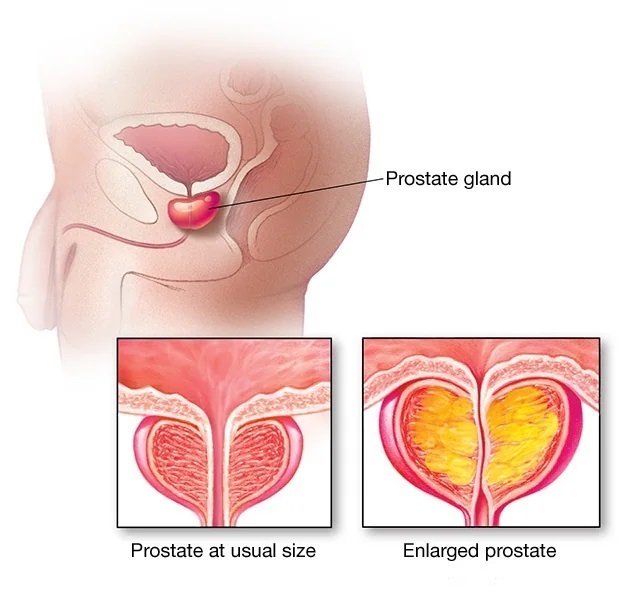
The prostate is a small, walnut-shaped gland located below the bladder and surrounding the urethra — the tube through which urine exits the body. It plays an essential role in male reproductive health, contributing fluid to semen. As men age, the prostate may undergo changes that lead to medical concerns.
1. Benign Prostatic Hyperplasia (BPH):
BPH is a non-cancerous enlargement of the prostate gland, common in older men. This enlargement can compress the urethra, leading to symptoms such as:
When lifestyle changes and medications fail to relieve symptoms, surgical options become necessary. (PMC)
2. Prostate Cancer:
Prostate cancer is one of the most commonly diagnosed cancers in men. When detected early and localized to the prostate, surgical removal of the gland — known as prostatectomy — is a mainstay of curative treatment.
3. Prostate Infections or Chronic Prostatitis:
In some cases of persistent inflammation or infection that doesn’t respond to medical therapy, surgical management can help relieve symptoms and reduce recurrence.
Surgery is recommended based on the underlying prostate condition, the severity of symptoms, and each patient’s overall health. Dr. Souvik Chatterjee offers a full spectrum of surgical procedures with precision and care.
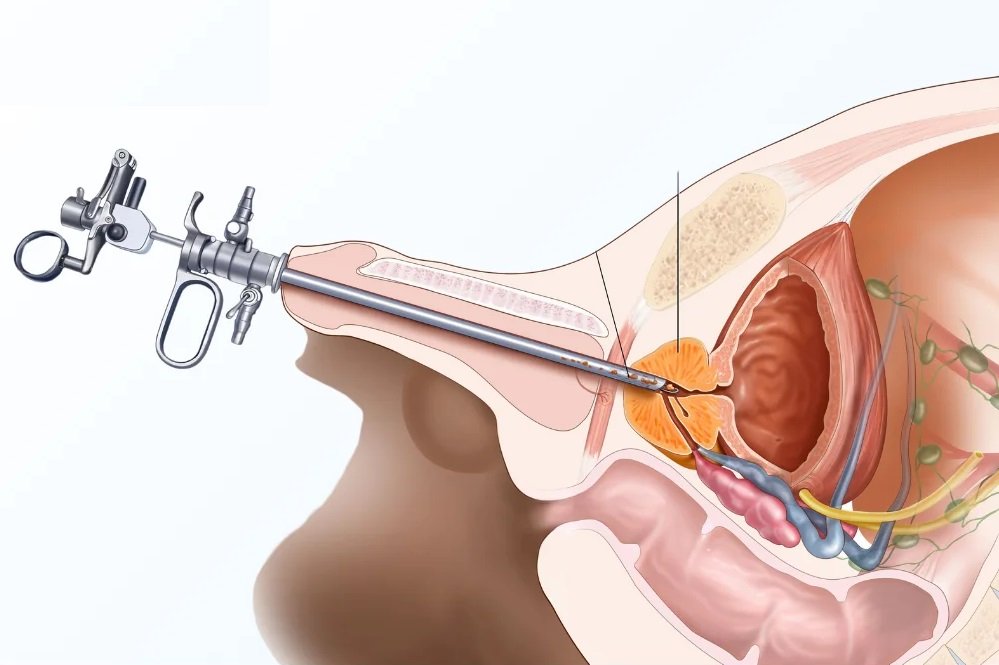
TURP is one of the most commonly performed procedures for BPH. It involves inserting a resectoscope through the urethra to remove prostate tissue that obstructs urine flow. TURP is minimally invasive, doesn’t require an external incision, and effectively alleviates urinary symptoms for many patients.
This procedure remains a gold standard for significant urinary obstruction due to BPH and continues to deliver reliable long-term results.
For many patients, particularly those who might benefit from a gentler approach, laser techniques offer major advantages. Laser prostate surgery — such as Holmium Laser Enucleation of the Prostate (HoLEP) or GreenLight Laser Therapy — uses high-energy laser beams to remove or vaporize excess tissue.
Benefits of laser prostate procedures include:
Laser techniques are especially suitable for patients with bleeding disorders or those on anticoagulant medications.
These surgical approaches involve removing part or all of the prostate gland:
These procedures can be done through traditional open surgery, laparoscopic methods, or robot-assisted techniques depending on patient need, anatomy, and surgical goals.
Beyond traditional TURP and laser methods, newer techniques like prostatic urethral lift (UroLift) and Rezūm therapy offer alternatives that minimize tissue removal while improving urinary symptoms and preserving quality of life. These may be considered on a case-by-case basis.
Our expert team is ready to discuss your specific condition and provide personalized recommendations.
Schedule Free Consultation