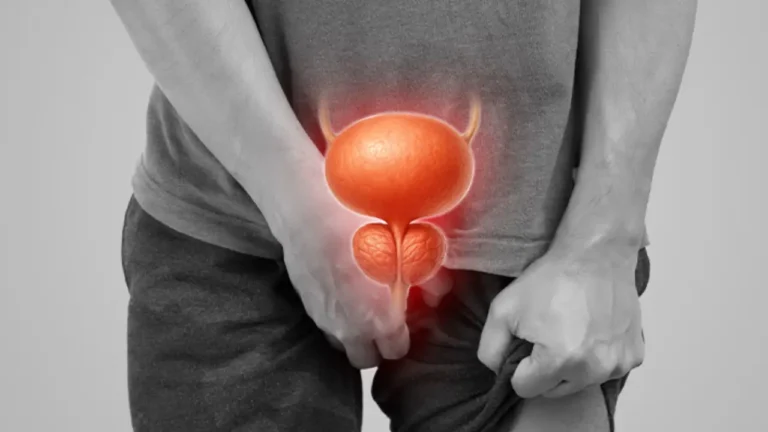

Burning Sensation During Urination: Causes, Warning Signs, and When to See a Urologist
A burning sensation during urination can be uncomfortable, frustrating, and sometimes worrying. While many people associate this symptom with a urinary tract infection (UTI), it can have several possible causes. From infections and inflammation to urinary stones and prostate-related conditions, identifying the underlying problem is essential for receiving the right treatment.
Although mild discomfort may seem harmless, persistent or recurring symptoms should not be ignored. Understanding the possible causes and warning signs can help you recognise when it is time to consult a urologist.
What Causes a Burning Sensation During Urination?
Pain or burning during urination is medically known as dysuria. It can affect both men and women, although the underlying causes may differ.
1. Urinary Tract Infections (UTIs)
A UTI is one of the common causes of burning during urination. It occurs when bacteria enter the urinary tract and cause an infection. Other symptoms may include frequent urination, a strong urge to urinate, discomfort in the lower abdomen, or cloudy urine.
UTIs are more common in women, but men can also develop them and may require further evaluation to identify contributing factors.
2. Urinary Stones
Kidney or bladder stones can cause irritation, pain, and difficulty passing urine. Depending on their location, stones may also cause severe pain in the back or side, blood in the urine, nausea, or vomiting.
A burning sensation accompanied by severe pain or visible blood in the urine requires prompt medical assessment.
3. Prostate-Related Problems in Men
In men, inflammation or infection of the prostate gland, known as prostatitis, can cause painful urination. Other symptoms may include pelvic discomfort, difficulty passing urine, or pain during ejaculation.
An enlarged prostate may also interfere with normal urine flow, although burning is not a typical symptom of prostate enlargement alone.
4. Sexually Transmitted Infections (STIs)
Certain sexually transmitted infections, including gonorrhoea and chlamydia, can cause burning during urination. Some people may also experience unusual discharge or genital discomfort, while others have few noticeable symptoms.
Medical testing is important when an STI is suspected so that appropriate treatment can be started and partners can receive advice when necessary.
5. Irritation and Inflammation
Certain soaps, intimate hygiene products, or chemical irritants can cause discomfort around the urinary opening. Inflammation of the urethra, known as urethritis, may also produce a burning sensation.
Avoiding potential irritants may help in some cases, but persistent symptoms need professional evaluation.
Warning Signs You Should Never Ignore
A burning sensation during urination deserves particular attention when accompanied by other symptoms. Seek prompt medical advice if you notice:
– Blood in your urine.
– Fever or chills.
– Pain in the lower back or side.
– Persistent or worsening urinary discomfort.
– Unusual genital discharge.
– Frequent urination or difficulty emptying your bladder.
Seek emergency medical care if you cannot pass urine, experience severe pain with fever or chills, or feel seriously unwell. These symptoms may indicate a condition requiring urgent treatment.
When Should You See a Urologist?
Consult a healthcare professional if the burning persists, returns repeatedly, or occurs alongside other urinary symptoms. Men with suspected urinary infections, pregnant women, and people with underlying medical conditions should seek timely medical advice.
A urologist may recommend a urine test, urine culture, blood tests, or imaging studies depending on the symptoms and suspected cause. If an infection is identified, treatment will depend on the organism involved and the patient’s medical circumstances.
Avoid taking antibiotics without medical guidance. Inappropriate antibiotic use can cause side effects and contribute to antibiotic resistance.
How Can You Reduce the Risk?
Maintaining adequate hydration, avoiding products that irritate the genital area, and practising appropriate personal hygiene may help reduce certain causes of urinary discomfort. Using condoms can lower the risk of many sexually transmitted infections.
However, these measures cannot prevent every urinary condition. If symptoms develop, identifying the cause is more important than relying on home remedies.
Final Takeaway
A burning sensation during urination is a symptom, not a diagnosis. While urinary tract infections are a common cause, stones, prostate conditions, sexually transmitted infections, and inflammation may also be responsible.
Do not ignore persistent burning, blood in the urine, fever, or difficulty passing urine. Early medical evaluation can help identify the underlying cause and prevent potential complications.
If you experience recurring urinary discomfort or other unusual urinary symptoms, consult a qualified urologist for appropriate evaluation and treatment.
Dr. Souvik Chatterjee, Consultant Urologist in Kolkata, can help patients understand their urinary symptoms, identify possible underlying conditions, and explore appropriate diagnostic and treatment options.