
Overactive Bladder: Why Do You Feel the Urge to Urinate So Frequently?
Do you often feel an urgent need to urinate, even when your bladder is not full? Do you find yourself making frequent trips to the bathroom or waking up several times during the night to pass urine? These symptoms may be associated with a condition called overactive bladder (OAB).
Overactive bladder is a common urological condition that can affect people of different ages. Although it is not usually life-threatening, it can interfere with sleep, work, travel, and everyday activities. Understanding its symptoms and treatment options can help patients seek appropriate medical care.
What Is Overactive Bladder?
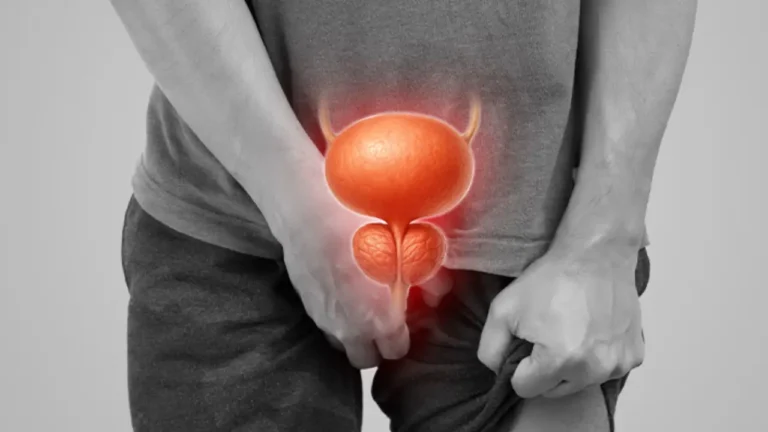
Overactive bladder is a condition characterised by a sudden, difficult-to-control urge to urinate. It occurs when the bladder muscle contracts involuntarily, even when the bladder is not completely full.
The condition may occur in both men and women. Some people experience urgency alone, while others also experience frequent urination, nighttime urination, or accidental urine leakage.
Overactive bladder is different from urinary infections and other conditions that can cause similar symptoms. A proper medical assessment is important to identify the underlying cause.
What Are the Common Symptoms?
The symptoms of overactive bladder can vary from person to person. Common signs include:
- Sudden Urinary Urgency: An unexpected and strong urge to urinate that is difficult to postpone.
- Frequent Urination: Needing to visit the bathroom more often than usual, sometimes affecting daily routines.
- Nighttime Urination: Waking up repeatedly during the night to pass urine, which can disturb sleep.
- Urge Incontinence: Experiencing accidental urine leakage following a sudden urge to urinate.
These symptoms may also occur due to urinary infections, diabetes, prostate-related conditions, or certain medications. Therefore, they should not automatically be attributed to an overactive bladder.
What Causes an Overactive Bladder?
In many cases, the exact cause is not identified. However, several factors may contribute to bladder overactivity.
These include age-related changes, neurological conditions affecting bladder control, previous pelvic surgery, and certain medical conditions. Excessive consumption of caffeine or alcohol may worsen urinary urgency in some individuals.
Conditions such as diabetes, urinary infections, and prostate enlargement can also produce similar symptoms and need to be considered during diagnosis.
How Is Overactive Bladder Diagnosed?
A urologist usually begins by reviewing the patient’s symptoms, medical history, and daily urinary habits.
Depending on the findings, investigations may include:
- Urine tests: To check for infection or blood in the urine.
- Blood tests: When an underlying medical condition is suspected.
- Bladder diary: Recording fluid intake, urination frequency, and episodes of urgency.
- Ultrasound: To examine the urinary tract and assess whether the bladder empties properly.
- Urodynamic testing: In selected cases, to evaluate how the bladder stores and releases urine.
Not every patient requires all these investigations. The evaluation is based on individual symptoms and clinical findings.
What Are the Treatment Options?
Treatment depends on the severity of symptoms and their underlying cause.
- Bladder Training: Patients may be guided to follow scheduled bathroom visits and gradually increase the time between urination.
- Lifestyle Changes: Reducing excessive caffeine intake, managing fluid consumption, and maintaining a healthy weight may help improve symptoms.
- Pelvic Floor Exercises: Specific exercises can strengthen the muscles involved in bladder control.
- Medication: If lifestyle measures are insufficient, a urologist may prescribe medicines that help reduce involuntary bladder contractions.
In selected patients who do not respond adequately to initial treatments, specialist procedures such as bladder Botox injections or nerve stimulation may be considered.
Final Takeaway
Frequent urination and sudden urinary urgency should not always be considered normal, particularly when they interfere with sleep or daily activities. Overactive bladder is a manageable condition, and several treatment options are available.
If you regularly experience urgency, frequent bathroom visits, or accidental urine leakage, consult a urologist for proper evaluation.
Dr. Souvik Chatterjee, Consultant Urologist in Kolkata, helps patients identify the causes of urinary symptoms and explore appropriate diagnostic and treatment options based on their individual needs.