Bladder Stones: Causes, Symptoms, and When to Seek Medical Care
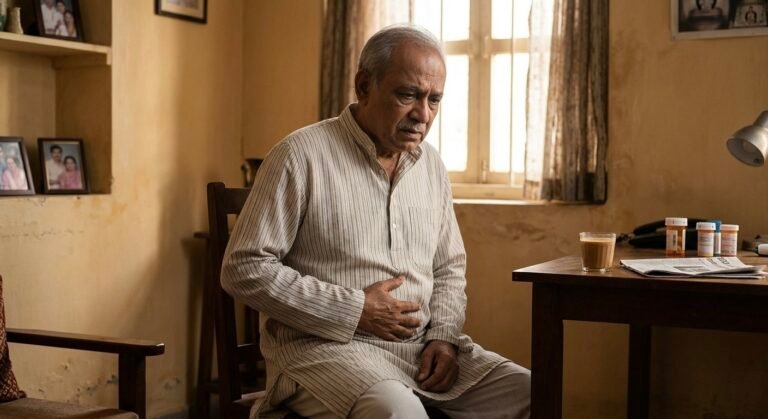
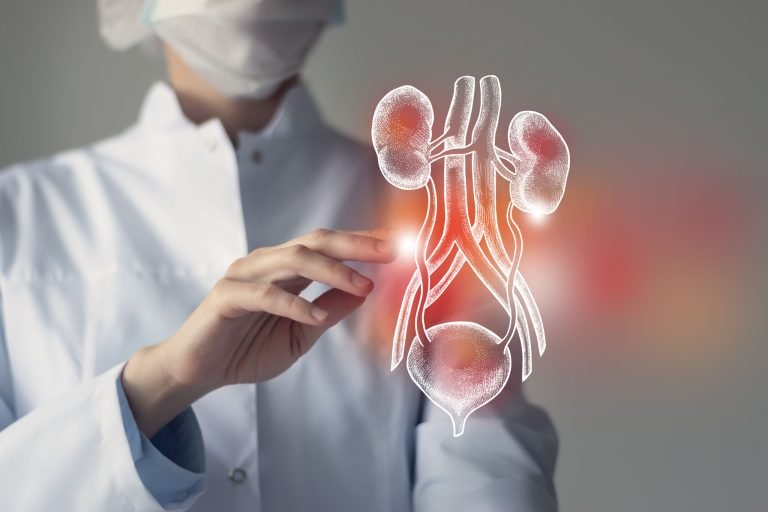
Discomfort in the lower abdomen, frequent urination, or difficulty passing urine can sometimes indicate a problem with the urinary bladder. While many people are familiar with kidney stones, bladder stones are another condition that can affect urinary health and interfere with daily life.
Bladder stones develop when minerals in concentrated urine form hard deposits inside the bladder. Some may cause no noticeable symptoms initially, while others can lead to pain, urinary difficulties, or infection. Understanding their causes and warning signs can help patients seek appropriate treatment.
What Are Bladder Stones?
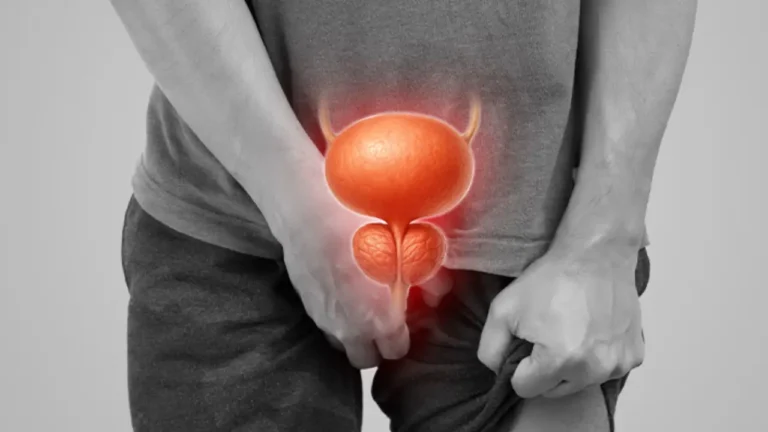
Bladder stones are hard mineral deposits that form inside the urinary bladder, the organ responsible for storing urine before it leaves the body. They often develop when the bladder cannot empty completely, allowing urine to remain inside for longer than usual.
As minerals accumulate, they may crystallise and form stones. Some bladder stones develop independently, while others occur when small stones travel from the kidneys into the bladder and continue to grow.
Bladder stones can vary in size and number. Their impact depends on their size, location, and whether they interfere with normal urine flow.
What Causes Bladder Stones?
Several conditions can contribute to bladder stone formation.
- Incomplete bladder emptying: When urine remains in the bladder after urination, minerals can accumulate and form stones over time.
- Enlarged prostate: In men, an enlarged prostate can obstruct the flow of urine and make it difficult to empty the bladder completely.
- Urinary tract obstruction: Narrowing of the urethra or other structural problems may prevent urine from flowing freely.
- Nerve-related bladder problems: Certain neurological conditions can affect bladder function and make complete emptying difficult.
- Urinary devices or previous procedures: In some cases, long-term urinary catheters or certain bladder-related procedures may increase the risk of stone formation.
Dehydration can also contribute to concentrated urine, although incomplete bladder emptying is a particularly important cause of bladder stones.
What Symptoms Should You Look Out For?
Some bladder stones cause no symptoms and are discovered during investigations for another condition. When symptoms occur, they may include:
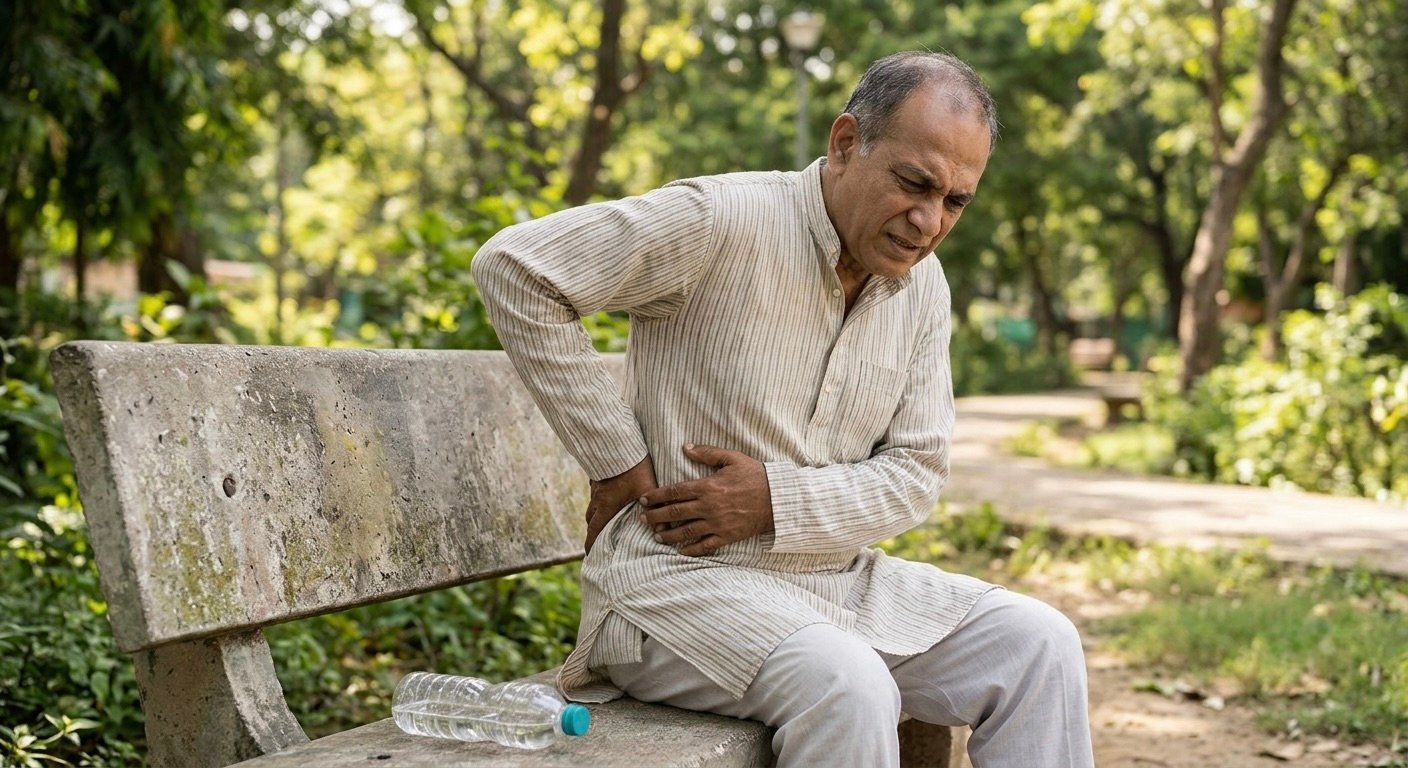
- Pain or discomfort in the lower abdomen.
- Burning or pain during urination.
- Frequent urination, particularly during the day.
- Interrupted urine flow or difficulty passing urine.
- Blood in the urine.
- Discomfort that becomes more noticeable during movement or physical activity.
These symptoms can also occur with urinary infections, prostate problems, and other urological conditions. Therefore, proper evaluation is necessary to identify the cause.
Seek urgent medical attention if you suddenly cannot pass urine, particularly if you experience severe lower abdominal pain. Fever or chills accompanied by urinary symptoms also require prompt medical assessment.
How Are Bladder Stones Diagnosed?
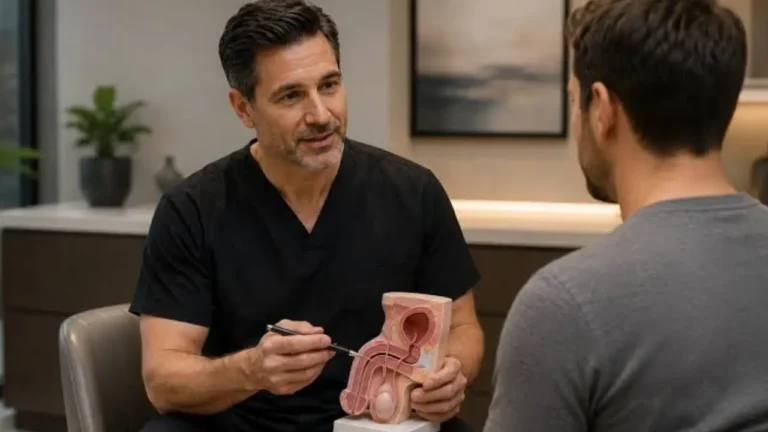
A urologist may review your symptoms and medical history before recommending appropriate investigations. These may include a urine test to check for blood or infection, ultrasound imaging, or other imaging tests to identify stones and assess the urinary tract.
In some cases, cystoscopy may be recommended. This procedure uses a thin instrument with a camera to examine the inside of the bladder and help identify stones or other abnormalities.
The doctor may also investigate why the bladder is not emptying properly, as treating the underlying problem can help reduce the risk of recurrence.
What Are the Treatment Options?
Treatment depends on the size and number of stones, the symptoms they cause, and any underlying urinary condition.
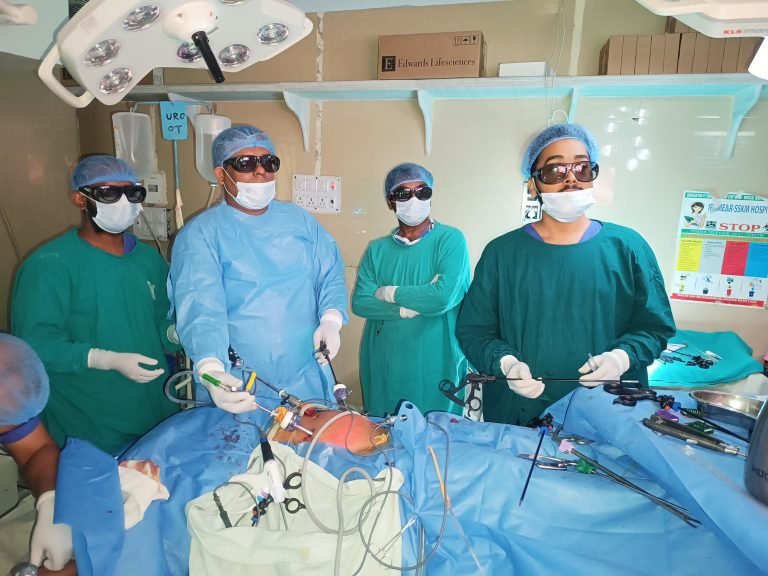
Small stones may occasionally pass naturally, although many bladder stones require a procedure for removal. A common approach is cystolitholapaxy, in which a specialist uses an instrument passed through the urethra to break the stone into smaller pieces and remove them.
Larger stones may require a different surgical approach. If an enlarged prostate, urethral narrowing, or another obstruction is responsible, treating that condition may also be necessary.
Drinking enough water, when medically appropriate, can support urinary health. However, hydration alone will not remove every bladder stone, and treatment should be guided by a urologist.
Final Takeaway
Bladder stones can cause lower abdominal pain, blood in the urine, and difficulty passing urine. Although these symptoms may resemble other urinary conditions, timely diagnosis can help prevent complications and identify the underlying cause.
If you experience recurring urinary discomfort, interrupted urine flow, or blood in your urine, consult a qualified urologist rather than ignoring the symptoms.
Dr. Souvik Chatterjee, Consultant Urologist in Kolkata, helps patients evaluate urinary problems, identify their underlying causes, and explore appropriate diagnostic and treatment options based on their individual needs.