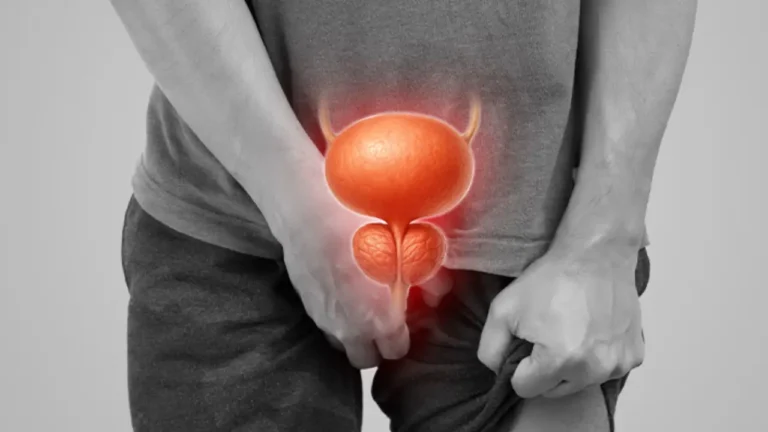

Enlarged Prostate: Early Warning Signs Men Should Not Ignore
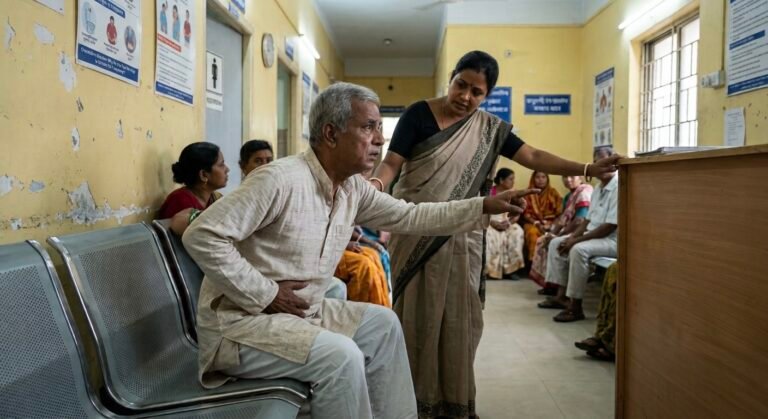
Frequent trips to the bathroom, waking up several times at night to urinate, or noticing a weaker urine stream may seem like minor inconveniences. However, these changes can sometimes indicate an enlarged prostate, a common condition among ageing men.
Although an enlarged prostate is not the same as prostate cancer, its symptoms can affect sleep, daily activities, and quality of life. Recognising the early warning signs and seeking medical advice can help prevent complications and ensure appropriate treatment.
What Is an Enlarged Prostate?
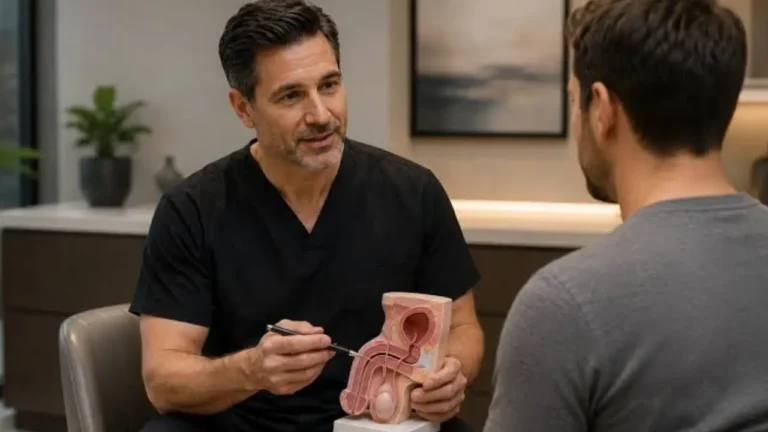
The prostate is a small gland located below the bladder and surrounding the urethra, the tube that carries urine out of the body. It produces fluid that forms part of semen.
As men grow older, the prostate may gradually increase in size. This condition is known as benign prostatic hyperplasia (BPH). When the enlarged gland presses against the urethra, it can obstruct urine flow and make bladder emptying more difficult.
BPH is non-cancerous and does not automatically mean that a man will develop prostate cancer. However, similar urinary symptoms can occur with other conditions, so proper evaluation is important.
Early Warning Signs Men Should Recognise
The symptoms of an enlarged prostate may develop gradually and become more noticeable over time. Common warning signs include:
1. Frequent Urination
Needing to urinate more often than usual, particularly during the day, may indicate a change in bladder function associated with prostate enlargement.
2. Waking Up at Night to Urinate
Repeated nighttime bathroom visits, known as nocturia, can interrupt sleep and lead to daytime tiredness. Although several conditions can cause nocturia, prostate enlargement is one possible reason.
3. Weak or Interrupted Urine Flow
A reduced urine stream, difficulty maintaining a steady flow, or taking longer to empty the bladder may occur when the enlarged prostate obstructs the urethra.
4. Difficulty Starting Urination
Some men experience hesitation before urine begins to flow. They may also need to strain or wait longer than usual when using the bathroom.
5. Feeling That the Bladder Has Not Emptied Completely
Even after urinating, some men may feel that urine remains in the bladder. This sensation can be associated with incomplete bladder emptying and should be discussed with a urologist.
What Happens If an Enlarged Prostate Is Left Untreated?
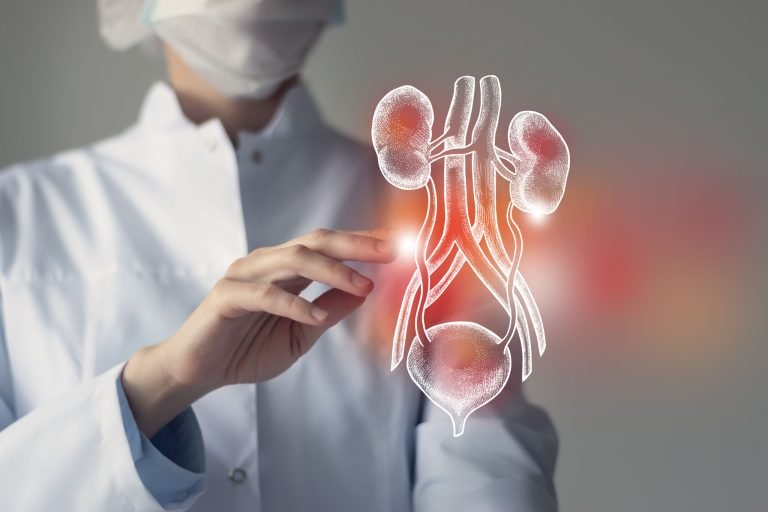
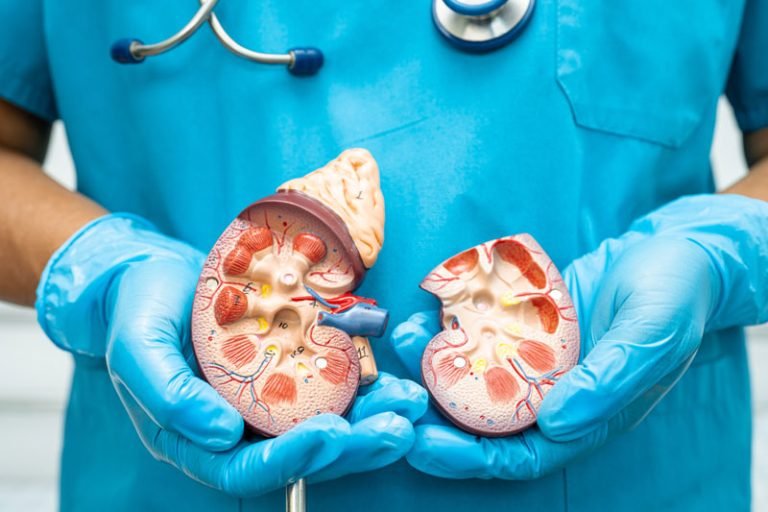
Not every case requires immediate treatment, but persistent obstruction can sometimes lead to complications. These may include urinary retention, recurrent urinary tract infections, bladder stones, and bladder damage. In severe cases, prolonged obstruction can affect kidney function.
Seek urgent medical care if you suddenly become unable to pass urine. This may indicate acute urinary retention and requires immediate assessment. Fever with urinary symptoms, severe pain, or visible blood in the urine also warrants prompt medical attention.
How Is an Enlarged Prostate Diagnosed?
A urologist will review the patient’s symptoms, medical history, and medications. Depending on the findings, the assessment may include a physical examination, urine testing, blood tests, and measurement of urine flow or the amount of urine remaining in the bladder after urination.
A prostate-specific antigen (PSA) blood test may be considered when appropriate, but PSA alone cannot confirm or rule out prostate cancer. The need for additional tests depends on the patient’s symptoms and individual risk factors.
What Are the Treatment Options?
Treatment depends on symptom severity, prostate size, overall health, and the presence of complications.
Men with mild symptoms may be advised to monitor their condition and make lifestyle adjustments, such as reducing excessive fluid intake close to bedtime and limiting caffeine or alcohol if these worsen urinary symptoms.
Medication may help relax prostate-related muscles or reduce prostate size in suitable patients. When symptoms are severe, complications develop, or medication does not provide sufficient relief, procedures or surgery may be recommended.
A urologist can explain the benefits and risks of each option and recommend an individualised treatment plan.
Final Takeaway
An enlarged prostate is common as men age, but frequent urination, a weak urine stream, and repeated nighttime bathroom visits should not simply be dismissed as a normal part of getting older. Early assessment can identify the cause of these symptoms and help prevent complications.
Dr. Souvik Chatterjee, Consultant Urologist in Kolkata, helps patients evaluate urinary symptoms, diagnose prostate-related conditions, and explore appropriate medical or surgical treatment options based on their individual needs.