Vasectomy: What Men Should Know Before Choosing Permanent Contraception
When a couple decides their family is complete, choosing a reliable long-term method of contraception becomes important. Vasectomy is one of the most effective options available, yet it is often surrounded by myths and misunderstandings.
Knowing how the procedure works, what to expect, and what it does not affect can help men make an informed decision.
What Is a Vasectomy?
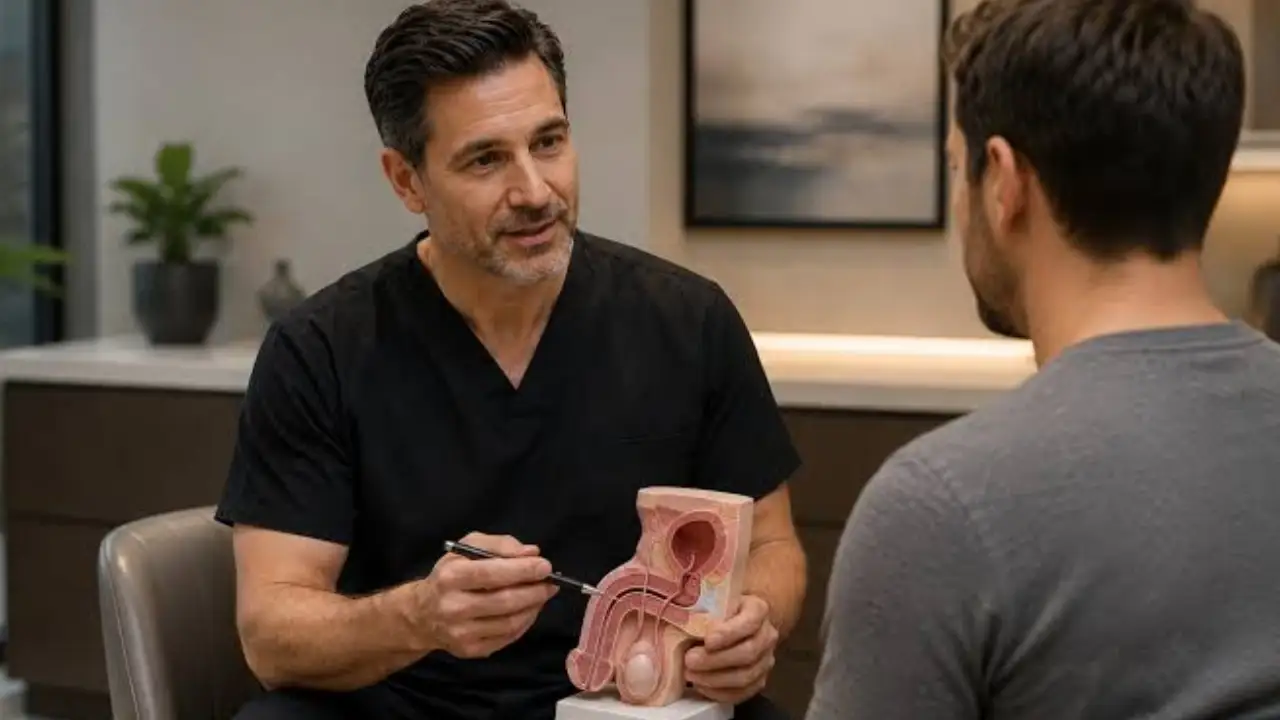
A vasectomy is a minor surgical procedure that provides permanent male contraception. It blocks or cuts the vas deferens, the tubes that carry sperm from the testicles. Without sperm in the semen, pregnancy cannot occur.
The testicles continue to produce sperm, but the body naturally absorbs them. Semen is still released during ejaculation, as most of its volume comes from other glands.
Common Myths About Vasectomy
1. “It Reduces Sexual Performance or Desire”
Vasectomy does not change testosterone production, sex drive, erections, or the ability to experience orgasm.
2. “It Is the Same as Castration”
The testicles are not removed. Hormone production continues normally.
3. “It Works Immediately”
This is a common misunderstanding. Sperm may remain in the system for some time after the procedure, so another contraceptive method is needed until a semen test confirms that no sperm are present.
4. “It Is a Major Surgery”
Vasectomy is usually performed as a short day-care procedure, often under local anaesthesia. Most men return home the same day.
Who Should Consider a Vasectomy?
Vasectomy is generally suitable for men who:
- Are certain they do not want more children
- Are in a stable relationship and have discussed the decision with their partner
- Want a highly effective alternative to long-term contraception for their partner
Because it is intended to be permanent, it should be considered carefully, particularly by younger men or those whose circumstances may change. Reversal procedures exist but are more complex and do not always restore fertility.
What to Expect Before and After the Procedure
Before the procedure, the urologist will discuss your medical history, explain the risks and benefits, and answer your questions. Afterwards:
- Mild pain, swelling, or bruising for a few days is common
- Rest, supportive underwear, and cold compresses may help
- Strenuous activity and heavy lifting should be avoided for the period your doctor advises
- A semen analysis is required after the recommended interval to confirm success
Contact your doctor promptly if you develop fever, increasing pain, significant swelling, bleeding, or signs of infection.
Are There Risks?
Vasectomy is considered safe, but as with any procedure, complications can occur. These may include bleeding, infection, a collection of blood (haematoma), or long-standing discomfort in a small number of men. Serious complications are uncommon when the procedure is done by an experienced urologist.
Does a Vasectomy Protect Against Infections?
No. It prevents pregnancy but does not protect against sexually transmitted infections.
Final Takeaway
Vasectomy is a safe, effective, and permanent form of contraception for men who are sure their family is complete. Understanding the facts helps replace fear and misinformation with confident decision-making.
Dr. Souvik Chatterjee, Consultant Urologist in Kolkata, offers counselling and surgical care for men considering vasectomy, ensuring they understand the procedure, expectations, and follow-up requirements.